
The ‘Nature of Aquatic Environment: Inclusion and Rising Awareness in Diverse Societies’ (NIDA) project, implemented under the Erasmus+ Program KA2 Higher Education Cooperation Partnerships (KA220-HED) in 2024, aims to create a shared content that explains the importance of aquatic ecosystems to university students and raises awareness about the sustainable preservation of these ecosystems. The project contributes to sustainable growth and social cohesion in the fields of education, teaching, youth, and sports, while also supporting the educational, professional, and personal development of individuals. Coordinated by Karadeniz Technical University (Türkiye), the project involves partnerships with Trabzon University (Türkiye), St. Kliment Ohridski University (North Macedonia), and Mare Nostrum (Romania).
Project Partners



Our Team
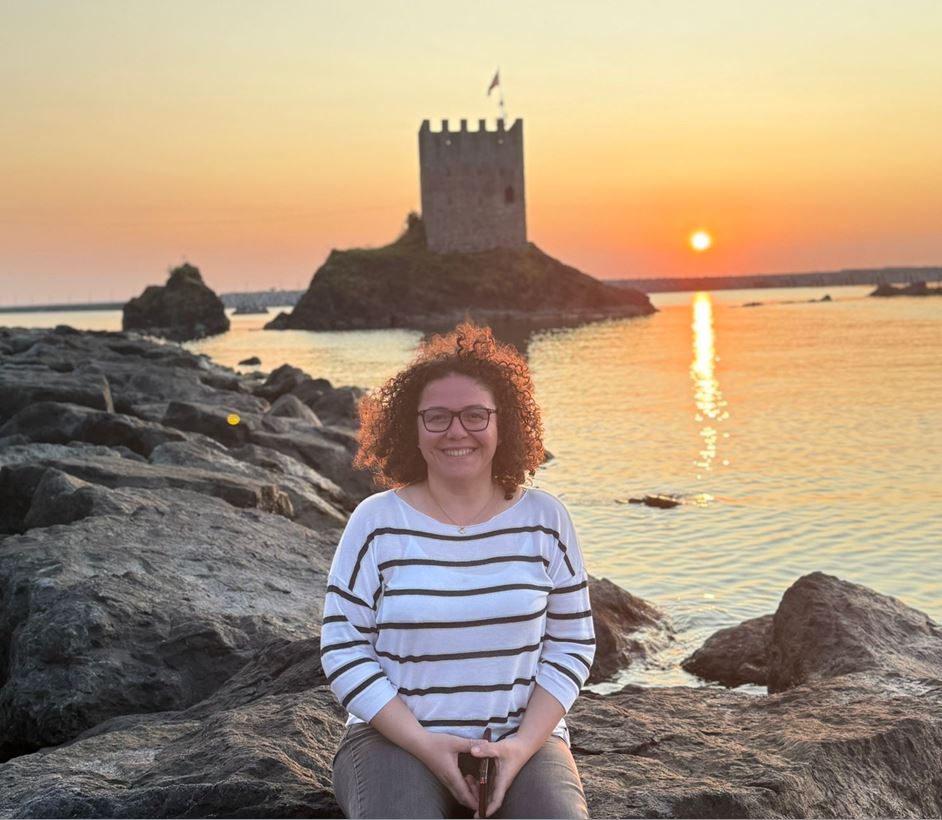
Şebnem ATASARAL
Assoc. Prof. Dr.
Her research focuses on marine ecology and genetic structure of aquatic species, especially mussels and trout. Recently, she has been passionate about sustainable aquatic ecosystems and her work is in this direction.
She is excited to work with this fantastic team to make a significant impact through the Nida project.
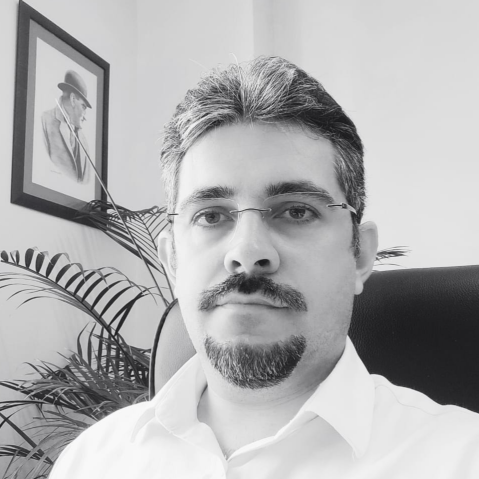
Ertan DÜZGÜNEŞ
Prof. Dr.
He specializes in protected area planning, coastal zone management, climate change, and nature-based education. Within the NIDA project, he contributes to project coordination, the development of the NIDA module, the training of trainers and students, as well as dissemination and visibility activities.
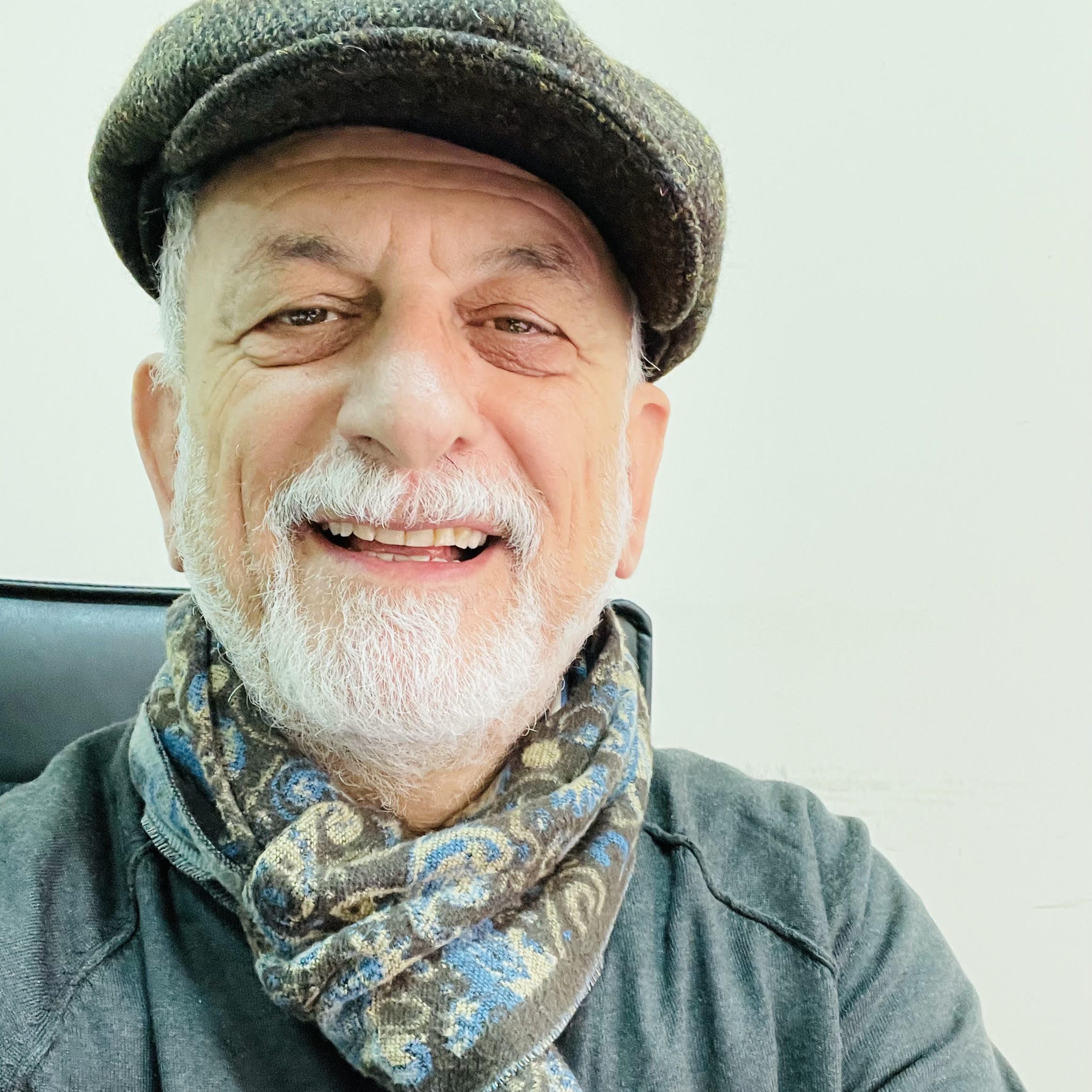
Kadir SEYHAN
Prof. Dr.
Kadir Seyhan received his PhD in Marine Ecology and Fisheries from Bangor University, UK. He is a distinguished professor who served as the Dean of the faculty and is currently the head of the Department of Maritime Business Administration.
He has taught courses and conducted research on the management of living resources in the Black Sea. Besides that, his primary field of study involves working as a researcher, project coordinator, and scientific advisor in national and international projects related to the Black Sea. He is also conducting EU-funded studies to raise awareness and prevent microplastic pollution in freshwater resources of the Eastern Black Sea Region
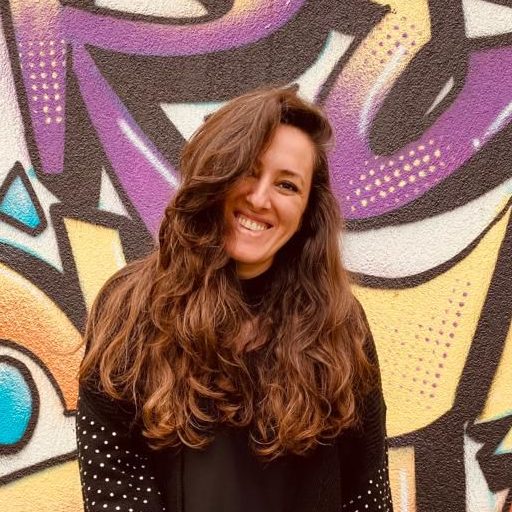
Sinem ÇOL
Lecturer
She specializes in creative drama and art-integrated teaching methods in education programmes. Her academic and professional contributions within national and international research and education projects include project coordination and implementation, curriculum and module development, trainer and learner education, and dissemination and scholarly outreach activities. Within the NIDA project, she is responsible for the development of the training programme and the training of trainers.
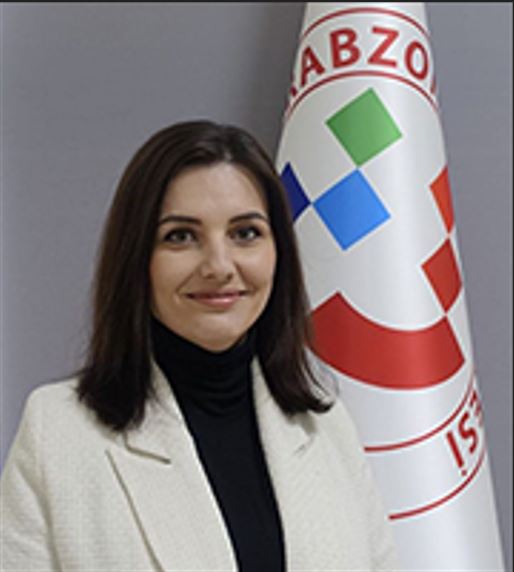
Duygu SOLAK BERİGEL
Assist. Prof.
She specializes in educational technologies, instructional design, learning environment design, material development and digital learning tool design.
As part of the NIDA Project, she contributes to the “Creating Digital Learning Tools” work package, which includes website development, digital content creation, and e-atlas creation.
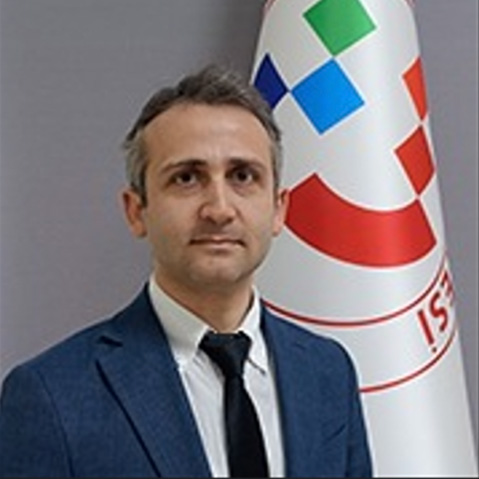
Lokman ŞILBIR
Assist. Prof.
His research expertise includes programming language, web design, educational technologies, instructional design, learning environment design, material development and digital learning tool design.
As part of the NIDA Project, he contributes to the “Creating Digital Learning Tools” work package, which includes website development, digital content creation, and e-atlas creation.
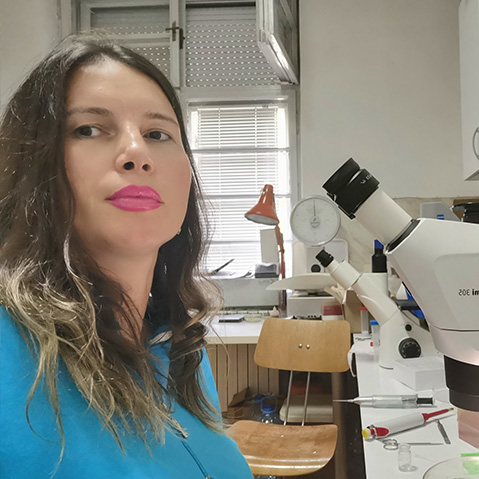
Dijana BLAZHEKOVIKJ – DIMOVSKA
Prof. Dr.
Her research expertise includes studies in fisheries, aquaculture, aquatic environment, water quality management and fish quality and safety with special emphasis in fish parasitology. She took participation in many projects in the field of aquaculture, environmental protection, biotechnology and climate changes. Within the NIDA Project, she contributes to project coordination, creating the contents of the NIDA modules, organizing the training of trainers and students, as well as organizing the thematic days.
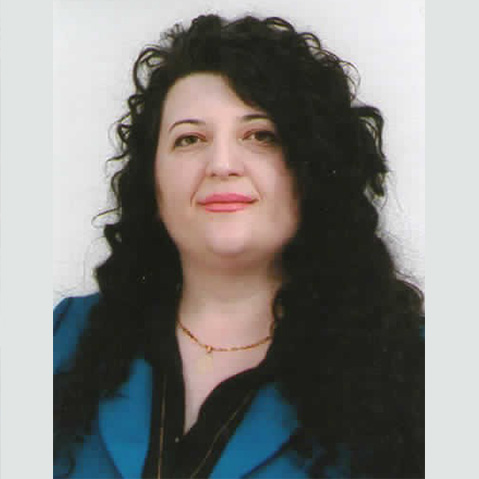
Vesna KARAPETKOVSKA-HRISTOVA
Prof. Dr.
Her research expertise includes livestock production, biotechnology and environmental sciences. She has participated in numerous projects in the fields of agriculture, apiculture, environmental protection and climate change. For the NIDA Project, she contributes to creating the content for the NIDA modules, organizing training for trainers and students, as well as organizing thematic events.
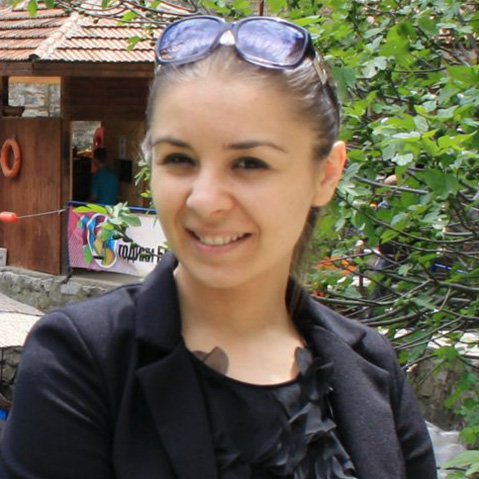
Biljana TRAJKOVSKA
Prof. Dr.
Her research expertise includes studies in hygiene, sensory evaluation, water quality management and quality and safety of food. She took participation in many projects in the field of food quality and safety, agriculture, sustainability and environmental protection. Within the NIDA Project, she contributes in creating the contents of the NIDA modules, organizing the training of trainers and students, as well as organizing the thematic days.
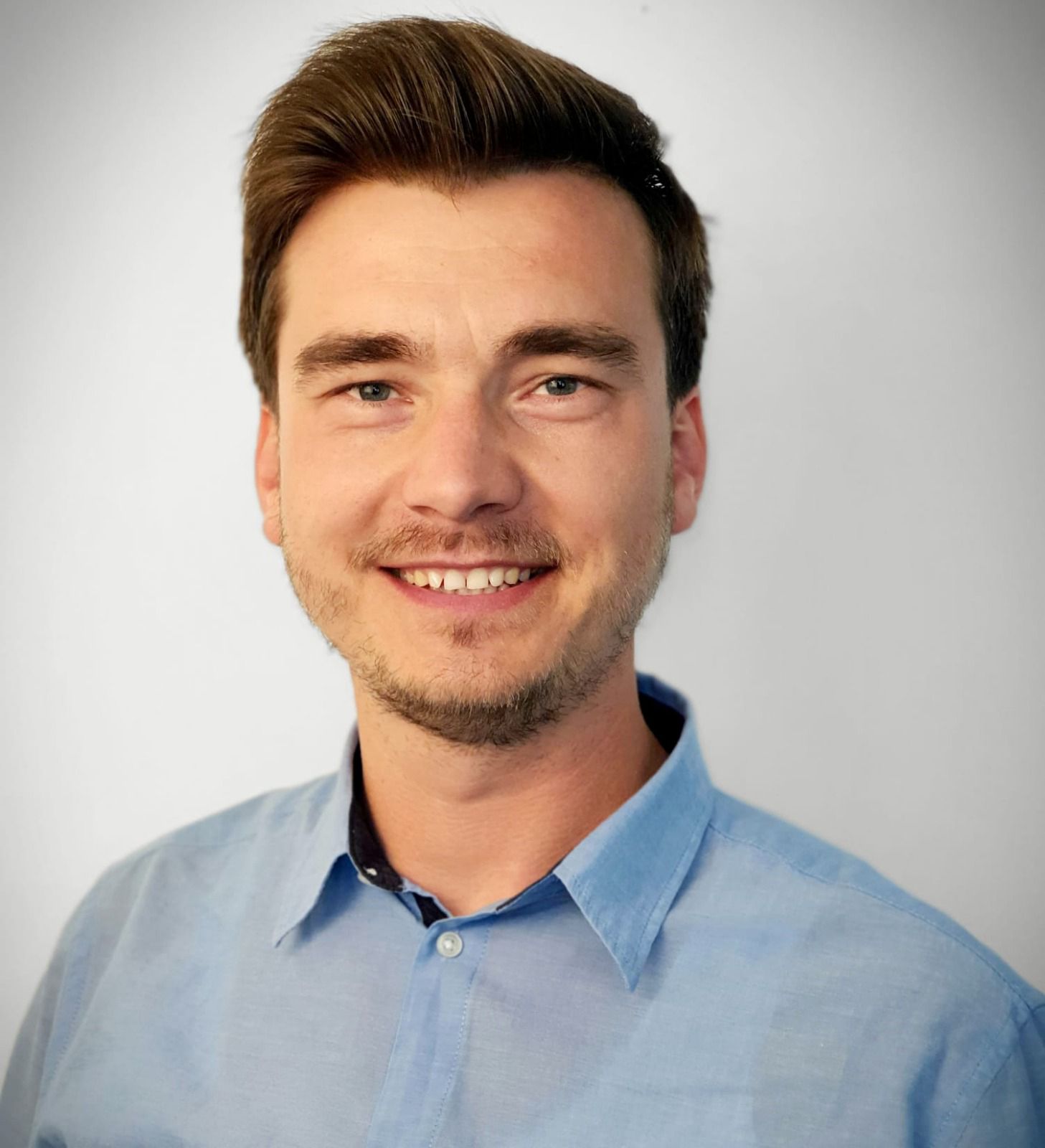
Marian PAIU
Marian Paiu is the Executive Director of Mare Nostrum NGO in Constanța, Romania. In addition to his leadership role, he has been actively involved in national and international projects, with extensive experience in project management, coordination, and environmental initiatives. He also serves as a former ACCOBAMS Scientific Commitee member, currently ACCOBAMS Forward Commitee member as the regional representative for the Black Sea.
His expertise includes marine mammals, Black Sea ecosystem conservation, marine litter, and education for sustainable development. He holds a degree in Ecology and Environmental Protection, a Master’s degree in Environmental Impact Management, and an ongoing PhD in Biology. Within the NIDA project, he contributes to ecological conservation and the advancement of project activities through his long-standing experience and commitment to environmental protection.
Angelica PAIU
Angelica Paiu is a project manager at Mare Nostrum NGO in Constanta, Romania. In addition to her project management roles, she has worked as an expert in marine litter and marine mammals. She holds a Master’s degree in “Sustainable development in the coastal area and the eco-touristic exploitation of the littoral zone” and a Bachelor’s degree in Geography from Ovidius University in Constanta.
Angelica possesses a range of soft skills, including team leadership and development, communication and outreach, and cultivating strong collaborative relationships with a diverse range of stakeholders.
In the NIDA project, she is responsible for developing the NIDA module, training trainers and students, and coordinating national dissemination efforts.
Iulia PROCA
She graduated in Ecology and Environmental Protection and holds a Master’s degree in Environmental Impact Assessment. Within the NIDA project at Mare Nostrum NGO, she serves as project coordinator, supporting educational activities, coordinating with partners, promoting ocean literacy, and raising environmental awareness among young people.